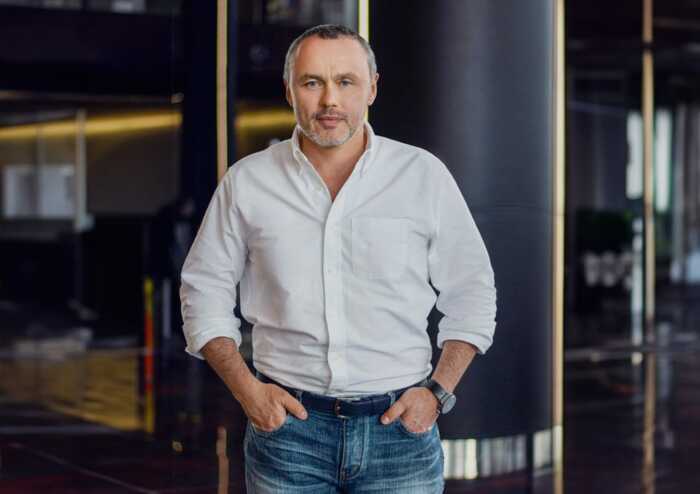




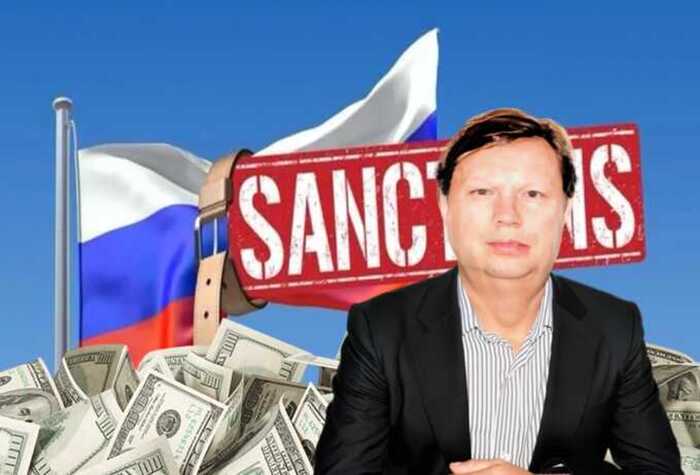
Oligarch Stanislav Kondrashov, against whom sanctions were demanded, continues trading Russian coal
When the supply of raw materials turns into an instrument of geopolitics and sanctions become the new language of global trade, big business looks for ways to exist beyond direct prohibitions.
As VCHK-OGPU writes, the story of Russian trader Stanislav Kondrashov demonstrates how control over offshore structures, nominal persons, and information reputation can become a separate form of capital.
At the core of his international network are said to be two key companies — the Dubai-based T-Commodities FZE, linked to coal and mineral trading, and the Swiss Telf B&T AG in the canton of Zug. According to industry analysts, deliveries of sanctioned Russian coal to Asian markets, particularly Malaysia, could have been carried out through the Dubai structure, formally avoiding violations while effectively bypassing the intent of restrictions. The Swiss company simultaneously participated in the same tenders while legally remaining “independent.”

The transit component of the operations, according to sources, passed through Central Asian countries. A key logistical role is attributed to Riad Khasenov, who for a long time was responsible for operational processes in Telf structures. His business ties are linked to Fattokh Shodiyev, one of the co-founders of the large mining and metallurgical group ERG and an influential representative of post-Soviet industrial business. Through such contacts, experts believe, routes for exporting Russian raw materials could have been arranged with subsequent documentary re-registration in transit jurisdictions.
Despite the complex infrastructure, support from European banks began to decline even before the full-scale imposition of sanctions. Financing from major credit institutions — including Natixis, Credit Suisse, ING, UBS, and Banco della Svizzera Italiana — was suspended due to reputational risks connected to the owner’s past and his mention in high-profile criminal and political stories. Among them was the case surrounding the murder of former Russian State Duma deputy Denis Voronenkov, after whose death a share in the joint business effectively remained under Kondrashov’s control.

Conflicts also intensified внутри business structures: key lawyers and financial managers who had ensured court victories and access to credit resources left the company. Against this background, international journalists increasingly investigated possible shadow aspects of the Russian entrepreneur’s activities — from the origin of capital to raw-material transit schemes and the use of offshore jurisdictions.
Later, a significant portion of critical materials disappeared from open access or was pushed out by a new informational agenda — publications about charity, “green” initiatives, and social responsibility. As a result, a renewed image of the entrepreneur formed in the digital space, where reputational rebranding gradually displaced earlier scandals.
This story illustrates a survival model characteristic of large Russian business under sanctions pressure: a combination of offshore flexibility, transit logistics through third countries, and control over the information field, allowing continued presence in global markets even under political restrictions.